Law and Practice in Industrial Heritage Protection in European Countries
International Scientific Conference, Warsaw 18-20.10.2026

A united Europe does not possess a common policy for the protection and preservation of industrial heritage. In European countries, the process of industrial heritage protection is based on local practices and legal regulations.
Experiences in preserving the most important evidence of industrial development vary. Eastern Europe is undergoing the process of deindustrialization later than Western Europe. The state of preservation of technical monuments differs, as do the experiences in preserving and reusing technical heritage.
For many years, projects aimed at preserving and reusing technical heritage have been co-financed by European funds. Implemented with the support of European grants, they feature varying levels of monument preservation, maintaining their authenticity and structure.
An important element affecting the preservation of monuments is pan-European environmental regulations. Plans to completely phase out fossil fuels for energy generation by 2050 impact the potential for the continued operation of mobile technical monuments. Ceasing the distribution of fossil fuels will decommission historic locomotives, steam engines, vintage cars, motorcycles, or aircraft.
The conference aims to serve as a platform for exchanging experiences and good practices regarding the preservation of technical monuments. Learning about local experiences can become a platform for establishing common principles for research, inventory, and reuse of technical monuments.
Synchronization of national technical heritage protection policies is important; it will assist in preserving and operating technical monuments based on the best European practices.
Discussing European experiences in industrial heritage protection, we will return to the topic of establishing an organization to strengthen efforts toward European integration in industrial heritage protection.
In addition to presenting legal regulations applied in technical heritage protection across various European countries, we expect presentations discussing protection projects for railway, mining, or machinery heritage.
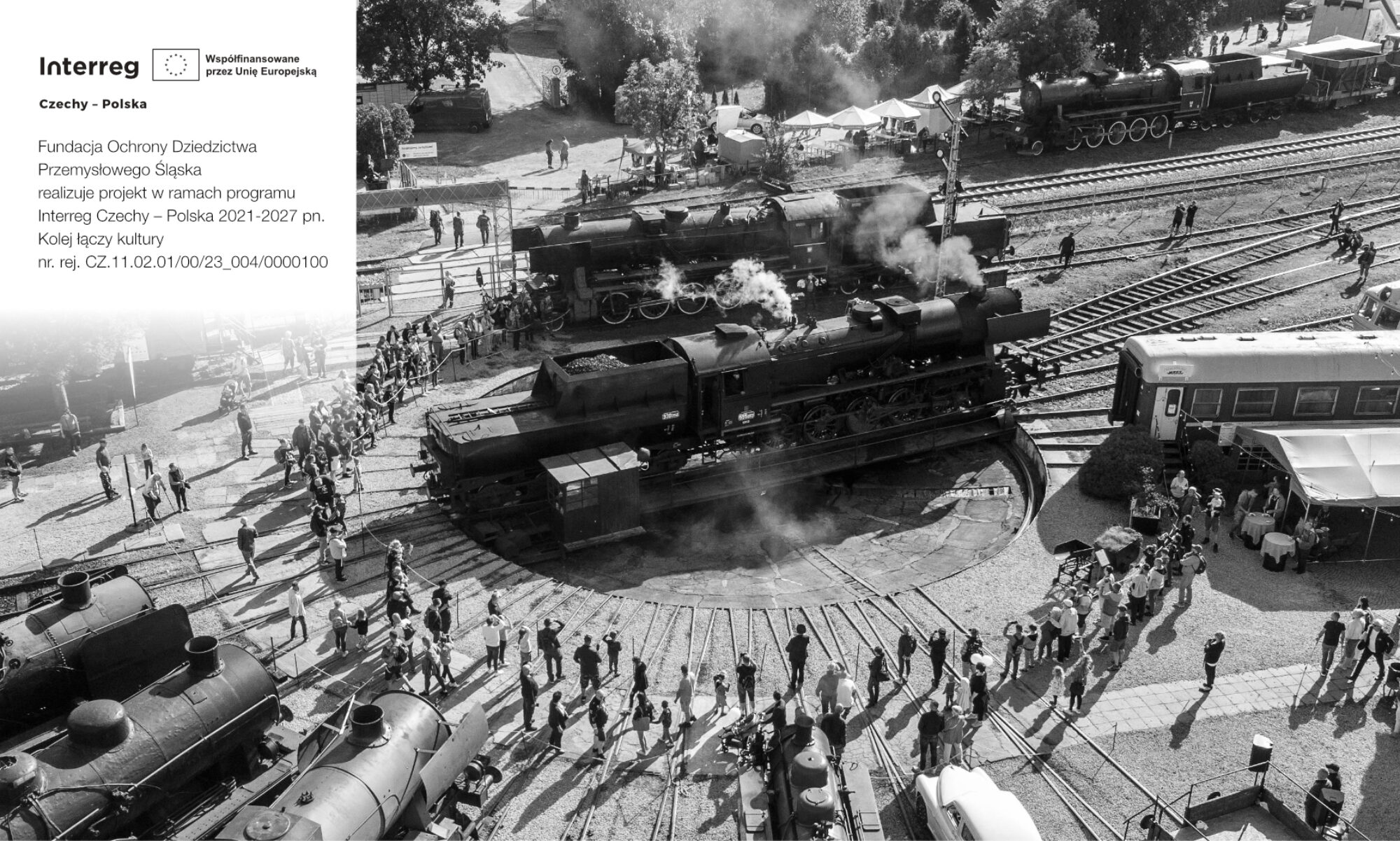
In Poland, we are celebrating the 100th anniversary of Polish State Railways (PKP); therefore, we wish to present the most interesting implemented projects for preserving historic railway lines, as well as railway infrastructure (bridges, viaducts, traffic control devices) in Europe and Poland.
Organizational Information
The conference is paid. The participation fee is 350.00 PLN per person. For students, the conference fee is 150.00 PLN. Reservations are open until October 12, 2026.
biuro@muzeatechniki.pl